The pest you are seeing is a symptom. The harborage zone is the problem. Show Me Pest Control's certified exterminators in Princeton are trained in full IPM protocol — from the initial assessment to the verification visit, every step is documented.
Four non-negotiable steps that separate an IPM-certified exterminator from a spray-and-leave service.
You get a full diagnostic first — harborage zones located, entry points recorded, conducive conditions identified. Nothing is applied until you have seen and approved the treatment plan.
Most companies skip the interior voids. Our technicians carry injection equipment and dust applicators for treating the wall cavities, attic spaces, and floor voids where populations establish when surface access is eliminated.
Our technicians are employees, not independent contractors picked up by a dispatch app. Licensed in WV, trained in IPM methods, and showing up with equipment matched to your specific pest situation.
Follow-up is included. After treatment, a return inspection measures residual activity against the pre-treatment baseline. We declare clearance when the data shows the population is gone — not just reduced.
Integrated Pest Management is a term that gets used loosely in pest control marketing, but its field application is specific. A true IPM process starts with inspection and species identification, moves through threshold assessment — determining whether the population level actually requires intervention — then selects the least-invasive effective treatment, applies it using targeted methods, and returns for monitoring and documentation. In Princeton, Show Me Pest Control follows this process on every exterminator dispatch, without shortcuts.
The harborage zone is the concept that explains why pests keep coming back after surface treatment. Pests are rarely living where you see them. German cockroaches detected in a kitchen are typically harboraged inside the wall void behind the appliances, in the gap around a plumbing penetration, or in the motor housing of a refrigerator. Crack-and-crevice treatment reaches these zones in ways that open-surface spray cannot. Void injection — inserting insecticide dust or foam into the interior of wall cavities — reaches the areas that harbor established populations. This is the step that changes outcomes, and it requires both proper equipment and a technician who knows how to use it.
Pests reappearing days after treatment in Princeton? Call +1-866-315-0243. We assess the harborage, identify the entry point, and treat the actual source — not just the surface.
Consumer pest sprays are not ineffective products — they are products applied in the wrong locations at the wrong population stages. Egg cases protected inside harborage voids survive surface application. Reproductively active females depositing eggs in protected spaces continue production uninterrupted. In German cockroach infestations, which are among the most common commercial and residential pest problems in Princeton, a population that is 90% eliminated but not fully eradicated will return to pre-treatment numbers within 45 to 60 days. IPM breaks this cycle by treating the harborage directly and verifying population collapse before closing the job.
An exterminator call to Show Me Pest Control in Princeton moves through five stages, each documented. The call establishes an arrival window. Arrival means an inspection — harborage mapping, species ID, documentation of conducive conditions. The written assessment is shared with you before any product is opened. Treatment proceeds using the approved method — crack-and-crevice application, void injection, perimeter residual, or a combination. The job is closed only after a follow-up inspection confirms clearance.
Commercial properties in Princeton face a different calculus than residential ones. A single health inspection finding on a restaurant or food service operation carries financial and reputational costs that dwarf the cost of a monthly exterminator program. Show Me Pest Control provides commercial accounts in Princeton with documented service records — treatment dates, technician license numbers, products applied, pre-treatment and post-treatment observations — formatted for health inspection requirements. A monthly service agreement costs a fraction of what a single failed health inspection costs in remediation, lost business, and compliance fines.
Comprehensive exterminator services matched to the specific pest and property type, not a one-size spray schedule.
Your inspection produces a written harborage map, documented entry points, and an identified species list before any product is selected. This is the foundation of every Show Me Pest Control exterminator visit in Princeton — not a formality, but the actual work that determines what happens next.
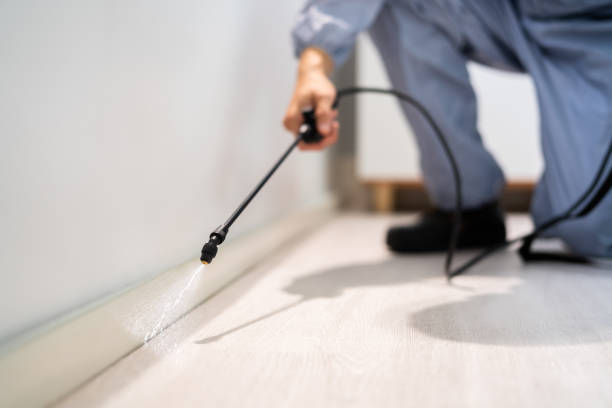
Broadcast spraying covers open surfaces pests cross. Crack-and-crevice residual application covers the zones where pests live — every treatment visit in Princeton uses this distinction to guide application placement.
When the population is inside the wall, that is where the treatment needs to go. Void injection and dust application are the tools for this, and Show Me Pest Control technicians carry them to every commercial and residential exterminator visit in Princeton.
The inspection identifies entry points. The exclusion service closes them. Foam sealant, door sweeps, copper mesh, and caulk applied at the locations mapped during the diagnostic visit significantly reduce re-infestation pressure in Princeton properties.
Commercial properties in Princeton need more than treatment — they need documentation. Show Me Pest Control's commercial program produces the service records health inspectors require, alongside IPM protocol treatment on every scheduled visit.
The job is not finished when treatment is applied — it is finished when a return inspection confirms population collapse. We place monitoring stations, return at the scheduled interval, and compare activity levels to the pre-treatment baseline before declaring clearance.
Four steps, every time, every job — no shortcuts in the sequence.
Real situations, documented outcomes from Princeton and Princeton, WV customers.
I had been paying a national chain monthly for almost two years. Every month they came out, sprayed, and activity was back within a week. The first time Show Me Pest Control came out, the technician produced a written map with four harborage zones the previous company had never found or treated. Third visit: completely cleared. I wish I had called sooner.
What I had spent on products over four months would have covered the entire professional treatment twice over. The technician identified the harborage in under fifteen minutes — a gap in the plumbing penetration that I had caulked on the visible side but not the interior side of the wall. Void injection with insecticide dust. The problem is gone.

Running a food service operation means the documentation is not optional. When I called Show Me Pest Control, they knew exactly what format the service records needed to be in. The inspection report, the treatment log, the technician credentials — everything was organized and ready for the health inspection. Passed clean. The service and the paperwork both hold up.
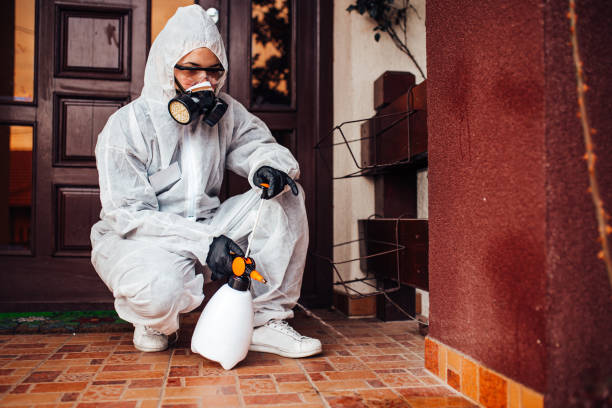
In Princeton, Show Me Pest Control's IPM approach means your exterminator follows a structured protocol: full property inspection, written harborage map, species confirmation, documented treatment plan, targeted application, and a scheduled return visit to measure population levels against the pre-treatment baseline. This process produces clearer outcomes and more reliable long-term results than surface spray treatments.
The main difference is the inspection and the application method. A spray service typically arrives and broadcasts product across open surfaces — baseboards, counters, and visible areas. A professional exterminator following IPM protocol inspects first, identifies the harborage zone, and delivers treatment inside the structural spaces where the population actually lives — cracks, voids, gaps, and cavities. This targeted approach reaches the infestation rather than its symptom.
The IPM assessment for a typical Princeton home runs 30 to 45 minutes before any treatment begins. Larger homes, commercial properties, or properties with complex infestation patterns may require more time. The written assessment produced during this visit documents everything the technician finds and forms the basis of the approved treatment plan — this document belongs to you and stays in your file with Show Me Pest Control.
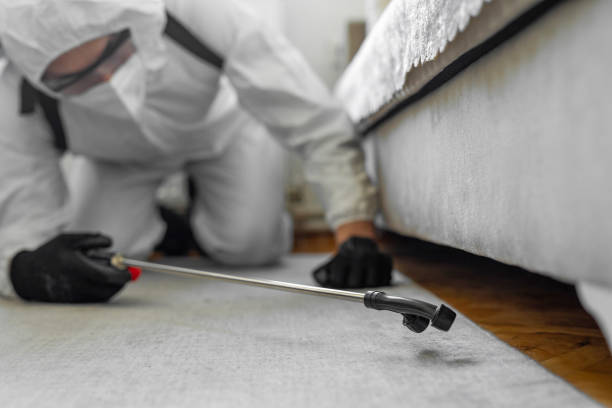
Treating inside walls and sub-floor voids requires carrying the right equipment — injection equipment, bellows dusters for insecticide dust, and foam applicators. Show Me Pest Control technicians in Princeton carry all of these and are trained in the access points and treatment methods for residential and commercial structural voids. If the harborage map indicates activity in a wall or floor cavity, we treat it directly.
The guarantee on Show Me Pest Control exterminator service in Princeton includes a no-charge re-service if activity is confirmed after treatment and before the verification visit has established clearance. We stand behind the process — which means we also stand behind the outcome. Your technician will explain the specific guarantee terms during the assessment visit.
For most residential exterminator jobs in Princeton, pricing reflects the inspection findings and the treatment scope — there is no accurate number that applies before seeing the property. Show Me Pest Control provides written quotes after the IPM assessment. You see the scope, the method, and the cost in writing before approving any work. Call +1-866-315-0243 to schedule the assessment in Princeton.
Call today and schedule a full IPM inspection in Princeton. Our exterminators find the harborage, treat the source, and verify clearance before closing the job.
Show Me Pest Control provides certified exterminator services throughout Princeton and across Princeton, WV. Residential, commercial, and industrial properties welcome. Call +1-866-315-0243 to confirm service in your area and schedule an IPM assessment.